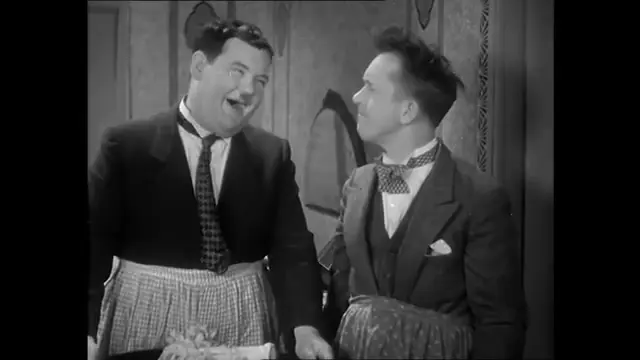
A quiet Sunday morning picnic was supposed to offer Laurel and Hardy a much-needed escape from the relentless grind of everyday life.
Instead, it devolved into a masterclass of escalating cinematic chaos that still captivates audiences nearly a century later.
The newly refurbished 2026 release of Perfect Day breathes fresh life into a 1929 landmark short film that defined physical comedy for generations to come.
Clocking in at just over nineteen minutes, this cinematic gem showcases the peerless chemistry between Stan Laurel and Oliver Hardy at the height of their artistic powers.
From the very opening frames, the premise is deceptively simple and universally relatable.
The dynamic duo intends to take their wives and neighbors out for a tranquil day trip in the great outdoors.
Yet, anyone familiar with the Laurel and Hardy canon knows that a simple picnic is never just a simple picnic.
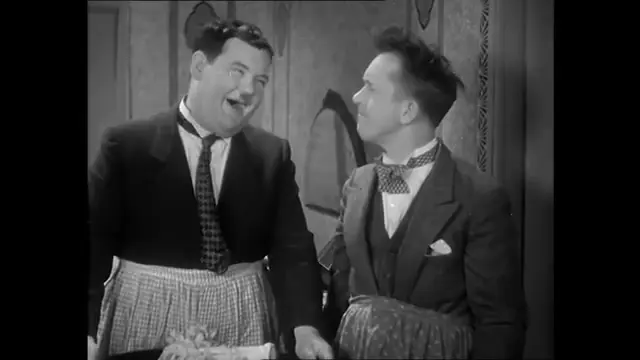
Every single step of their preparation turns into an unpredictable obstacle course designed to test human patience and structural engineering.
The brilliance of the short lies in its meticulous pacing and the gradual escalation of minor inconveniences into full-scale household disasters.
Around the three-minute mark, the meticulously planned outing suffers its first major casualty.
Stan Laurel, trying his absolute best to be helpful around the neighborhood, accidentally steps directly into a freshly painted street gutter.
The wet paint instantly destroys his shoes and triggers a chain reaction of comedic chaos that ripples through the entire scene.
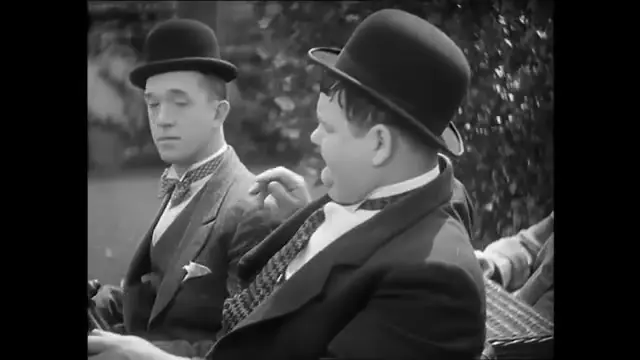
Oliver Hardy responds with his signature exasperated camera look, a silent plea to the universe expressing utter disbelief at his partner's uncanny knack for trouble.
That iconic glance has become a cornerstone of cinematic history, communicating volumes without uttering a single syllable of dialogue.
As the morning presses on, the logistical nightmare only deepens with every passing minute.
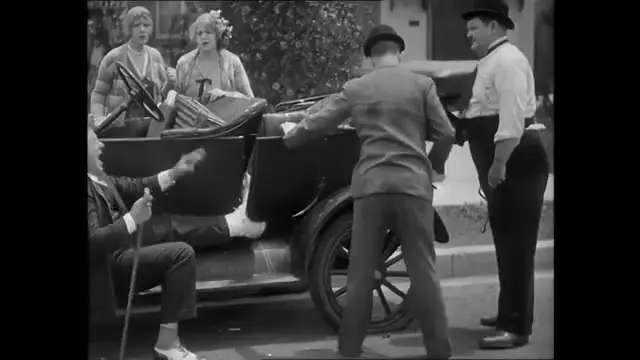
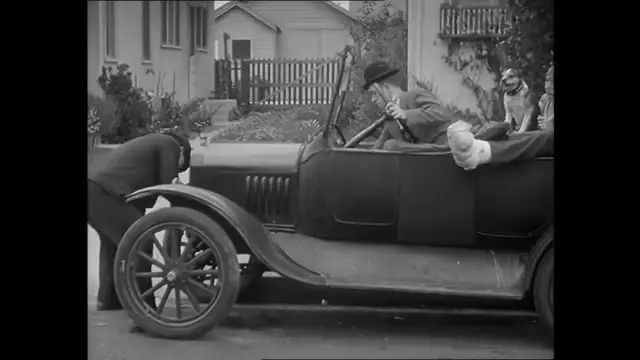
At the seven-minute mark, Oliver Hardy attempts to maintain his strict dignity while dealing with an absurdly stubborn car door that refuses to cooperate in front of the whole neighborhood.
Frustration reaches its absolute peak as Oliver struggles with stubborn automobile hardware, showcasing his iconic exasperated facial expressions and helpless hand gestures.
The physical comedy here is razor-sharp, relying on timing, posture, and the palpable tension between optimistic ambition and harsh reality.
Stan stands nearby, meaning well but invariably making things worse with his characteristic blank expression and whimpering innocence.
Their contrasting physical comedy creates a timeless rhythm that modern comedies still strive to emulate.
Oliver represents pompous authority constantly undermined by fate, while Stan is the innocent catalyst of absolute destruction.
As they finally manage to corral their group, the scale of the undertaking becomes hilariously apparent.
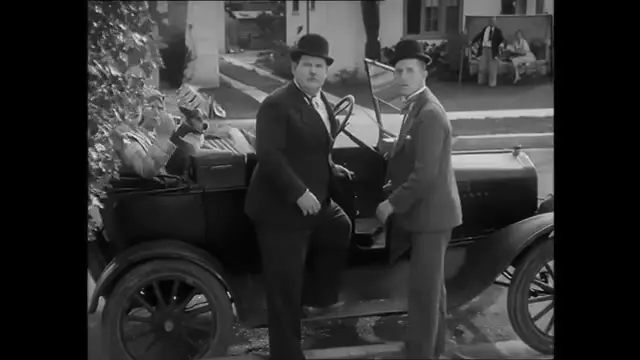
Around the eleven-minute and fifty-second mark, the entire group of neighbors and family members gets hilariously piled on top of each other inside and outside the tiny vehicle in a chaotic fashion.
A peaceful Sunday drive quickly escalates into an overcrowded logistical nightmare as everyone tries to squeeze into the tiny sedan li,ke clowns entering a circus car.
Legs, hats, baskets, and limbs protrude from every available window and doorway in a stunning display of cramped physical choreography.
The sheer density of bodies inside the automobile transforms the vehicle into a rolling pressure cooker of comedic tension.
Just when it seems physically impossible for the situation to deteriorate any further, the universe intervenes once again.
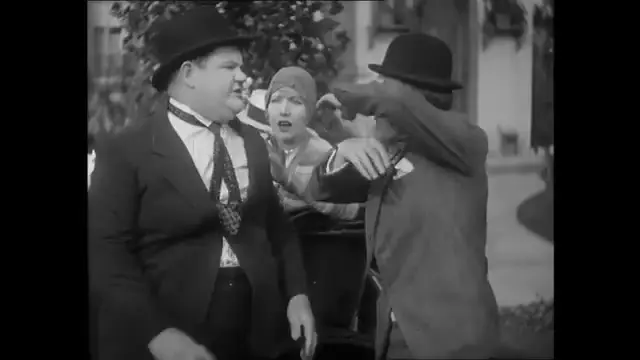
At the sixteen-minute and twenty-second mark, an unexpected neighborhood dispute breaks out right as the car finally tries to pull away.
This local clash turns a simple goodbye into total absurdity, stalling their departure and fraying already exhausted nerves.
Local distractions and petty arguments erupt among the neighborhood residents, proving that the greatest antagonist in the lives of Laurel and Hardy is their own chaotic environment.
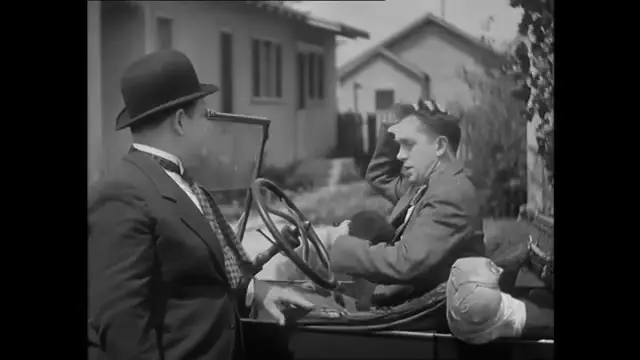
The beauty of Perfect Day is how it captures human stubbornness in the face of inevitable defeat.
Neither Stan nor Ollie ever truly gives up hope, no matter how many times their morning is utterly ruined by paint, doors, or difficult neighbors.
This relentless optimism in the face of absolute disaster is what makes them enduring cultural icons rather than mere slapstick actors.
The 2026 refurbished release allows modern viewers to appreciate the crisp cinematography, restored audio tracks, and brilliant visual gags as if they were sitting in a theater in 1929.
Every pratfall, every synchronized gesture, and every muttered exclamation shines with newfound clarity, honoring the monumental legacy of two men who understood the mechanics of laughter better than almost anyone else in film history.
As the final credits roll on this chaotic Sunday adventure, viewers are left with a profound appreciation for the timeless art of pure visual storytelling.
Perfect Day remains an essential viewing experience for anyone looking to understand the golden age of comedy and the irreplaceable magic of Stan Laurel and Oliver Hardy.
Watch full video here: